

· AFX Research
Easements and Inherited Property, and What Probate Changes
An appurtenant easement passes to an heir without anybody naming it. Why family land divisions create landlocked parcels, and how far back the search has to reach.
Table of Contents
Inherited land produces more access disputes than any other category, and the reason is structural rather than legal. Families divide a tract among children by agreement, everybody knows who uses which lane, and nothing about that understanding reaches the recorder. Two generations later the people involved have never met. Sorting it out starts with a search scoped to the original tract, in much the way an easement by necessity claim does.
An easement passes with the land
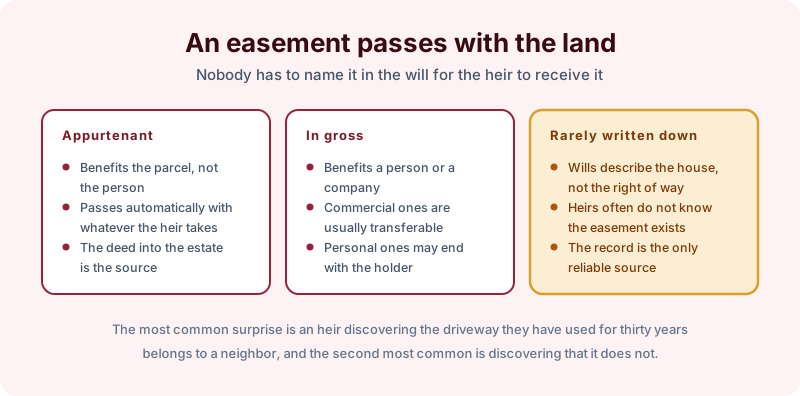
Start with the good news. An easement appurtenant benefits the parcel rather than the person, so it passes to whoever takes the parcel without anybody having to mention it. A will that leaves “my house on Miller Road” carries the recorded right of way over the neighbor’s field along with it, because the right was never separable from the land.
An easement in gross behaves differently, since it benefits a person or a company rather than a parcel. Commercial ones, a utility line for example, are generally transferable and outlast everybody, which is the distinction drawn in easement appurtenant versus easement in gross. A purely personal one, a permission to hunt or to cross, may end with the holder, and whether it does is a question of state law and of how the grant was written.
What complicates both is that nobody writes them down at this stage. Wills describe houses and acreage, not rights of way. Heirs routinely do not know an easement exists, in either direction, and the recorded instrument is the only reliable source. The most common surprise is an heir learning that the driveway the family has used for thirty years belongs to a neighbor. The second most common is learning that it does not, and that the neighbor has been using theirs.
Where probate complicates it
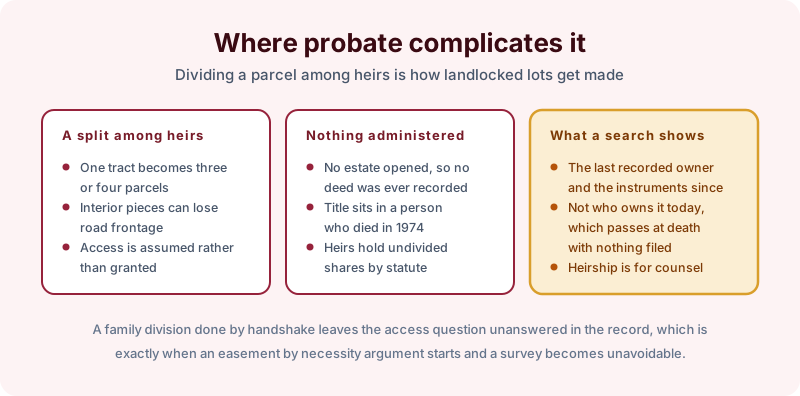
Dividing land is how landlocked parcels get made. A single tract with road frontage becomes three or four parcels, the interior pieces are handed to whoever was living there, and access is assumed rather than granted. The deeds out of the estate describe the new pieces and say nothing about crossing each other.
Then there are the estates nobody administered. No probate was opened, so no deed was ever recorded, and title still stands in a person who died in 1974 while their heirs hold undivided shares by statute. That parcel has an owner in the same sense that a puzzle has a solution.
Which sets up the limit worth stating clearly. A search shows the last recorded owner and every instrument filed since. It does not establish who owns the parcel today, because interests pass at death with nothing filed in the county, and heirship is a legal determination rather than a records finding. A family division done on a handshake leaves the access question genuinely unanswered in the record, which is exactly when a necessity argument starts and a survey stops being optional.
Scoping the search
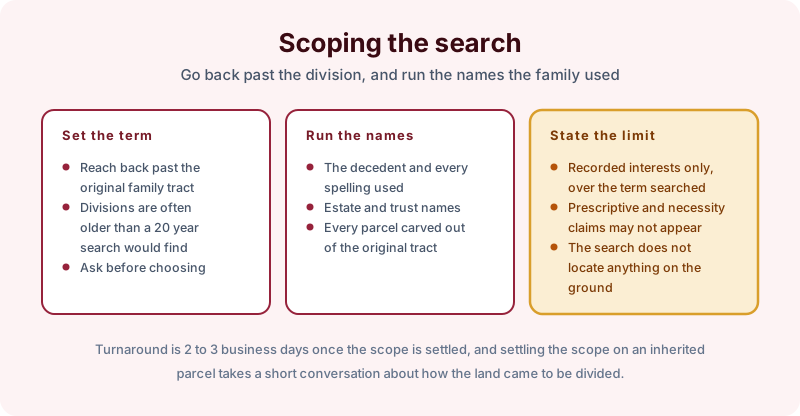
Set the term against the family rather than the transaction. The search has to reach back past the original tract and the division that created the current parcels, and on rural land that is regularly older than a twenty-year search would find. The search packages differ by term for exactly this reason, and picking one before establishing when the land was divided is guesswork.
Run the names the family actually used. The decedent and every spelling that appears, estate and trust names, and every parcel carved out of the original tract, because the grant may sit in a sibling’s deed rather than in yours.
And state the limit in the report. Recorded interests only, over the term searched, in the indexes read. Prescriptive claims and easements by necessity may not appear at all, and the search does not locate anything on the ground. Recording and indexing practice varies by county, so a practice in one place is not a rule anywhere else. Turnaround is 2 to 3 business days once the scope is settled.
The takeaway
On inherited land, the question is almost never what the current deeds say. It is what the tract looked like before it was divided and what, if anything, anybody recorded at the time. Push the term back to the division, run the family names, and expect the answer to involve a survey and possibly counsel where nothing was recorded. Start the order online, or send us the address and the county and we will tell you which search term fits and what it would and would not cover before anything is ordered.