

· AFX Research
Geothermal and Ground Loop Easements, and What Gets Recorded
A ground loop is buried, expensive and expected to last decades. When it sits under a neighbor or a shared parcel, whether it was properly papered decides everything.
Table of Contents
Geothermal heating has quietly become common enough that these show up in chains now. The heat pump is in the basement and the expensive half of the system is a loop field buried in the ground, sometimes not the ground the building sits on. Whether the right to keep it there was recorded, or merely agreed over a fence, decides what a buyer is actually getting. The distinction is the one in easement versus license, applied to something invisible.
What a ground loop needs
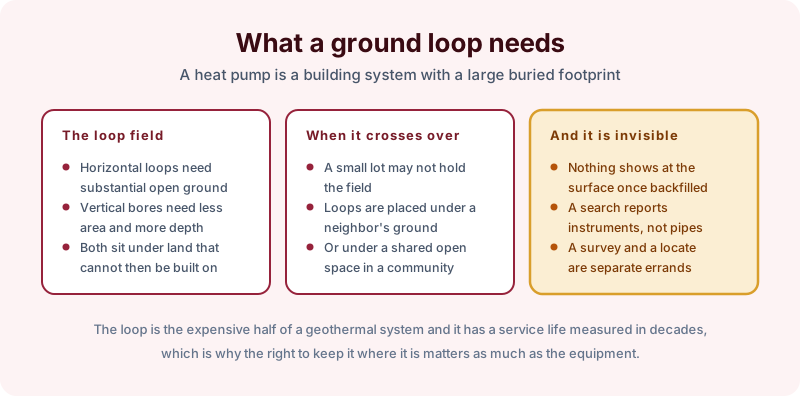
A horizontal loop field needs a substantial area of open ground, trenched and backfilled. A vertical system uses boreholes instead, taking less area and going considerably deeper. Either way the ground above and around the loop cannot then carry a building, a deep foundation or in most cases large trees.
On a constrained lot the field frequently does not fit. The answers are to put the loops under a neighbor’s land, under a shared open space in a planned community, or under a private road. All three work mechanically and all three create a property question.
And none of it shows at the surface once the trenches are closed. A records search reports instruments, not pipes. Locating the loop is a survey and utility locate exercise, which belongs alongside the search rather than instead of it.
How the right is papered
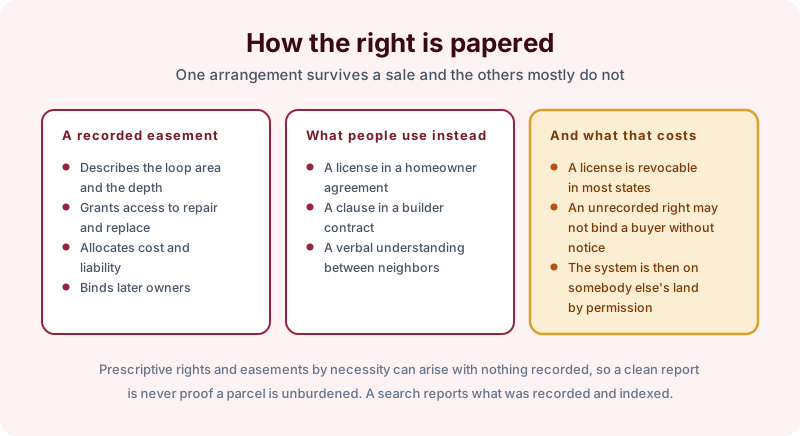
A properly recorded easement describes the loop area and the depth, grants access to enter and repair or replace, allocates the cost of restoring the surface afterward, and binds whoever owns either parcel next. That is the arrangement that survives a sale.
What people use instead is weaker. A license in a homeowner agreement, a clause buried in a builder’s contract, or an understanding between neighbors who got on well at the time.
The cost of the weaker route shows up later. A license is revocable in most states. An unrecorded right may not bind a purchaser who bought without notice of it. The owner then has a large buried asset on somebody else’s land by permission, and permission can be withdrawn. Prescriptive rights and easements by necessity do arise without any recorded instrument, so a clean report is never proof a parcel is unburdened, but neither is it a plan.
What to check before buying
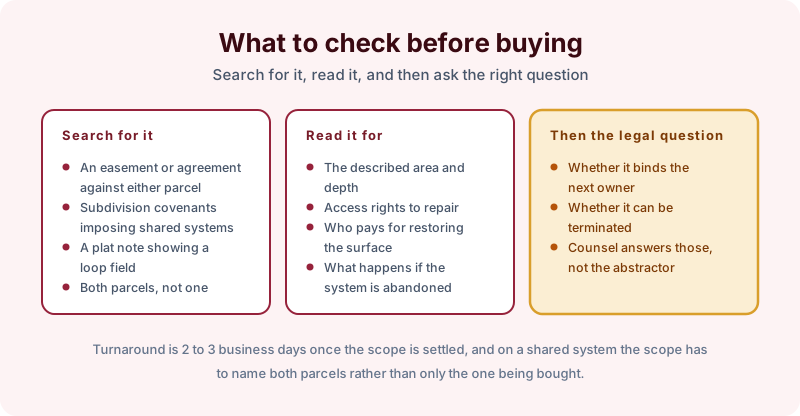
Search both parcels rather than one. An easement or agreement recorded against either, subdivision covenants imposing shared systems on all lots, and a note on the face of the plat showing a loop field, which is the item most often missed. Where the system serves a community, the search package needs to cover the common parcel too.
Read the instrument for the described area and depth, access rights to repair, who pays to restore the surface, and what happens if the system is abandoned, which is the clause nobody drafts and everybody eventually needs.
Then ask the legal question rather than guessing at it. Whether the right binds the next owner and whether it can be terminated are for counsel. A search establishes what was recorded and indexed over the term searched, and turnaround is 2 to 3 business days once the scope is settled.
One further wrinkle applies in planned communities. Where the loops sit under common ground, the association rather than a neighbor controls the land, and the governing documents rather than a deed of easement may be what grants the right. Those are recorded, they are long, and they can be amended by a vote the individual owner does not control, which is the structural issue in easements in a condominium or planned community.
The takeaway
Treat a ground loop like any other buried infrastructure crossing a boundary. Find out where the field actually is, find out what was recorded about it, and read the instrument rather than the summary. If nothing was ever recorded, that is worth negotiating before the sale rather than discovering when the neighbor wants to build a garage over the loops. Start the order online, or send us the address and the county and we will tell you which search term fits and what it would and would not cover before anything is ordered.