

· AFX Research
When the Benefited Land Is Divided, What Happens to the Easement
Split a farm into forty lots and every lot generally inherits the right of way. What the rule is, where it stops, and the overburdening claim that follows.
Table of Contents
A farm has used a lane across its neighbor’s land since 1951 under a recorded easement. The farm is sold, subdivided into forty-two lots, and forty-two households now drive the lane. The neighbor is unhappy and wants to know whether a right granted to one farmer became a right for forty-two families. Broadly it did, and the more interesting question is what limits that. This is the mirror image of what happens to an easement when the land is merged.
When the benefited land splits
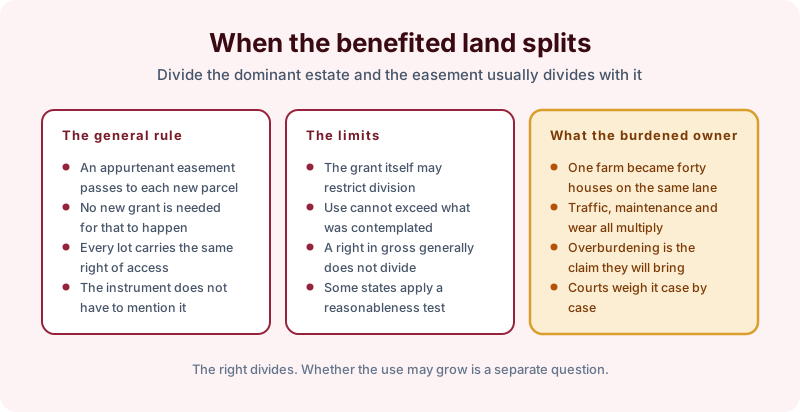
The general rule is straightforward and surprises people. An easement appurtenant benefits the land rather than the owner, so when the dominant estate is divided, the benefit passes to each new parcel automatically. No new grant is needed, nothing has to be recorded to accomplish it, and the deeds carving out the lots do not have to mention the easement at all for each lot to carry it.
The limits are real but narrower than servient owners hope. The grant itself may restrict division, and a well drafted one often does. The use cannot exceed what the parties contemplated when the easement was created. A right held in gross, benefiting a person rather than land, generally does not divide at all — the distinction set out in easement appurtenant versus easement in gross. And several states apply a reasonableness test to the whole question.
The burdened owner’s argument is overburdening, and it is a genuine one. One farm became forty-two houses, traffic multiplied, maintenance costs multiplied, and the physical wear on a gravel lane is not what it was. That claim is weighed case by case and it does not usually extinguish the easement. It can restrict how it is used, which is the territory of overburdening an easement.
What the record shows
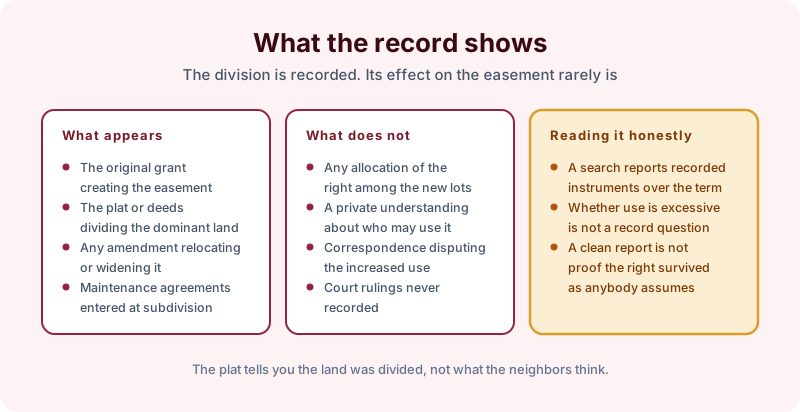
The record shows the division and the grant, which is genuinely useful. The original instrument creating the easement. The plat or the deeds dividing the dominant land. Any amendment relocating or widening the right of way. Maintenance agreements entered into at the time of subdivision, where somebody was thinking ahead.
What it does not show is the allocation. Nothing in the county index says how a single right of way is shared among forty-two lots, whether a private understanding governs it, or that the servient owner has been writing letters about the traffic since 2019. Court rulings on any of it are rarely recorded.
So a search here reports what was recorded and indexed over the term searched. Whether a particular level of use is excessive is not a records question at all, and a clean report is not proof that the right survived the subdivision in the form anybody assumes.
Why this matters most to the lot buyer
The servient owner has the complaint, and the person carrying the risk is usually the buyer of one of the new lots. They are buying a parcel whose access depends on a 1951 instrument granted to somebody else’s farm, shared with forty-one neighbors, with no recorded allocation and no maintenance agreement unless the developer made one.
That is workable and it needs reading rather than assuming. A search is not a survey and does not locate the lane on the ground, and prescriptive rights can arise without any recorded instrument, so nothing here settles the physical question.
Scoping the search
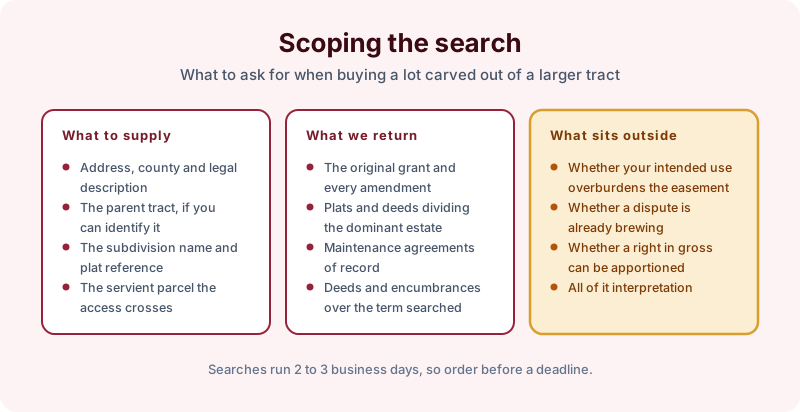
Give us the address, county and legal description, the parent tract if you can identify it, the subdivision name and plat reference, and the servient parcel the access crosses. What comes back is the original grant and every amendment, the plats and deeds dividing the dominant estate, the maintenance agreements of record, and the deeds and encumbrances over the term searched. Our search packages set out the terms.
What sits outside is whether your intended use overburdens the easement, whether a dispute is already brewing, and whether a right in gross can be apportioned at all. Those are matters of interpretation for counsel.
The takeaway
Dividing the benefited land generally divides the benefit with it, and the fight that follows is about the amount of use rather than the existence of the right. Buy a lot in a subdivision served by an old easement and you are buying into that question, so read the grant before you close. Start the order online, or send us the address and the county and we will tell you which term fits and what it would and would not cover before anything is ordered.